Skip to product information
1 of 1
Roquefort-sur-Soulzon, Aveyron, France

Roquefort Gabriel Coulet

Roquefort Gabriel Coulet

Blue · Sheep Milk · Aged 120+ days · AOP · PDO

Roquefort from the limestone caves: sheep's milk sweetness against the peppery blue bite.

Say it like a localrok/FOR gah/bree/EL koo/LAYStress the final syllable of each word: FOR, EL, LAY
4.7(428 Google reviews)
Hand-cut to orderCold-ship 2-day overnight
View full details
The Tasting

How it lands on the palate

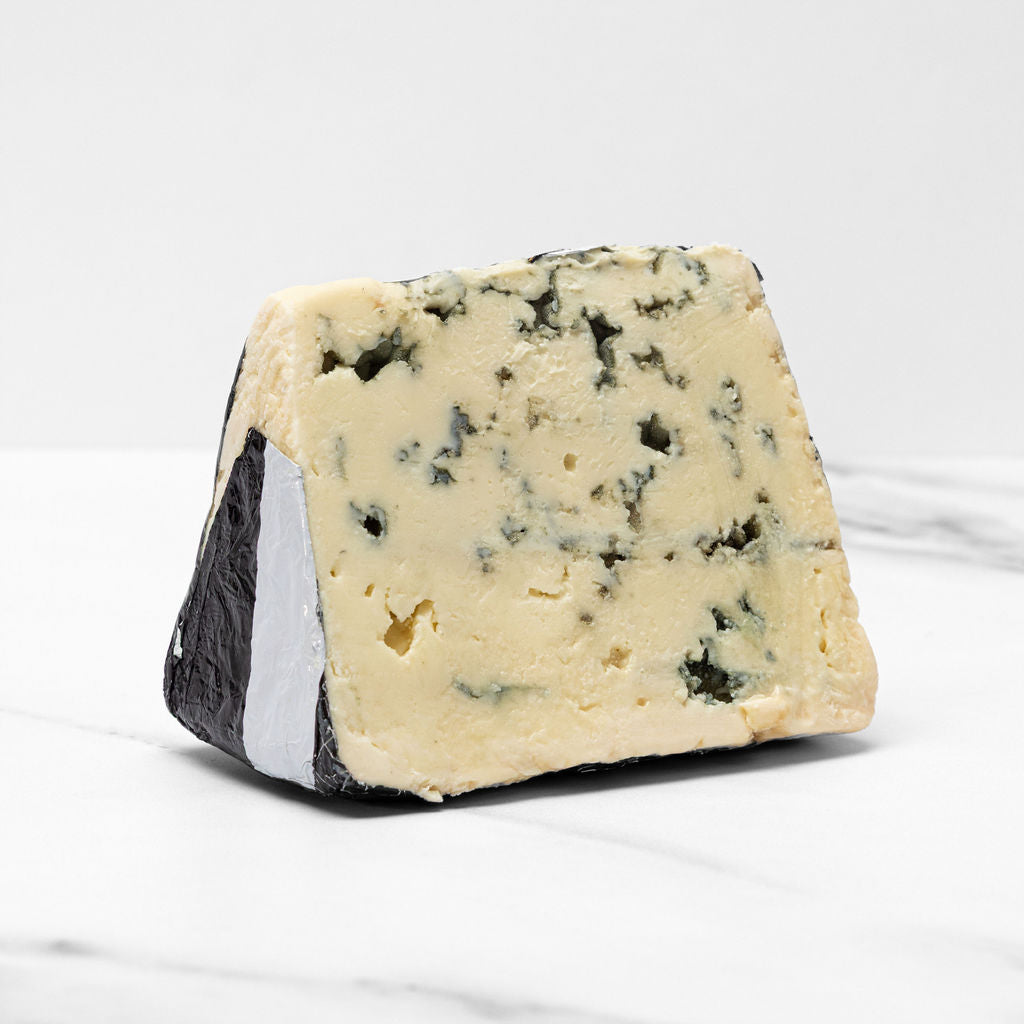
Raw sheep's milk Roquefort AOP from Gabriel Coulet, aged 120+ days in the limestone caves of Roquefort-sur-Soulzon. Creamy, peppery, salty finish.

Roquefort Gabriel Coulet tasting profile
Deep Dive

A closer look

Roquefort Gabriel Coulet comes from a family-run fromagerie in Roquefort-sur-Soulzon, the only village in France where this cheese can legally be made. It is raw sheep's milk, AOP protected, and aged in the limestone caves underneath the village for at least 120 days, a full month longer than the AOP minimum.

The paste is creamy and unctuous, ivory white shot through with even blue-green veining that runs all the way to the rind. That even spread is the giveaway of a properly pierced wheel, the needle marks let the Penicillium roqueforti breathe through the cheese rather than sitting in pockets. On the palate it opens sweet and milky from the sheep's milk, then the blue kicks in through the middle with a peppery bite that pulls back into a long salty finish with a quiet undergrowth aroma underneath.

This is Roquefort the way it should taste, balanced rather than aggressive, with the sweetness of the milk holding its own against the bite of the veins. The longer cave age shows in the concentration on the finish and in how smoothly the paste carries the salt. Right in the sweet spot for a Roquefort.

The Tasting Notes

Texture

Creamy and unctuous, almost spoonable at room temperature, with the paste pulling apart in soft ivory ribbons shot through with deep blue-green veining.

Intensity

A confident Roquefort. It opens sweet and milky on the front of the tongue, the blue veining kicks in through the middle with a peppery bite, and it finishes salty with a quiet undergrowth aroma underneath.

Finish

The salty peppery pull lingers well past the swallow, with that quiet sweetness of the sheep's milk holding underneath for thirty seconds or more.

Lactic

Rich sheep's milk creaminess carries the whole cheese, buttery and slightly sweet, the kind of milky base that lets the blue read clearly without going sharp.

Nutty

A faint browned-cream note sits behind the blue, more of a background savor than a nut-forward flavor.

Earthy

Real cave character, the undergrowth and damp-stone aroma of the limestone cellars in Roquefort-sur-Soulzon, clean forest-floor rather than barnyard.

Spicy

A peppery piccante bite from the Penicillium roqueforti veins, sitting on the back of the palate and building slowly without ever turning harsh.

The Rind

Natural rind

Natural rind, thin and slightly tacky from the cave humidity, with a more pronounced cavy, mineral edge than the paste. Edible but assertive.

PasteurizationRaw
First made1070 AD
The Pairing

What to pour. What to put alongside.

Roquefort stands on its own, but the right partners turn a wedge into a moment. Regional pairings first — they were built for each other.

Wine glass — The Sip
The Sip

Sauternes · Port · Banyuls · Champagne

  • Sauternes
  • Port
  • Banyuls
  • Champagne

Roquefort wants sweetness against its salt. A dessert wine like Sauternes or a Banyuls counterweights the peppery bite, and Champagne cuts the richness of the sheep's milk paste.

Fresh fruit — The Bite
The Bite

Fresh figs · Bartlett pears · Black grapes

  • Fresh figs
  • Bartlett pears
  • Black grapes

Honey and ripe fruit echo the sweetness on the front of the palate, and a slice of salted butter on a baguette or rye softens the tang so the sweet finish reads through.

Honey — The Sweet
The Sweet

Acacia honey · Walnut bread · Salted butter on baguette

  • Acacia honey
  • Walnut bread
  • Salted butter on baguette
Top Recipe

Roquefort with salted butter on baguette

Reviews

What our customers say

Real reviews from The Cheese Store of Beverly Hills Google Business Profile. Curated by Dom and his team since 1967.

4.7
★★★★★
Based on 428 verified Google reviews
G · Google Reviews
★★★★★

Top Italian and French cheeses, carefully selected

Domenico and his team are fantastic. I’m a chef and I often get my supplies from The Cheese Store — unique products, carefully selected, from top Italian and French cheeses to excellent local ones.

CT
Chef Tommaso
11 months ago · ✓ Google Local Guide · 66 reviews
★★★★★

Like wine tasting, but for cheese

Absolutely loved the cheese store! Everyone was super helpful and friendly. Lena helped us — she was very knowledgeable on all the cheeses: where they came from, what the region is like, what they are known for. It was like wine tasting for cheese.

A
Amandarina
4 months ago · ✓ Google Local Guide · 34 reviews
★★★★★

Excellent customer service on a shipped order

Ordered several cheeses from them and the wrong items were delivered. Contacted the store and they recognized the error and immediately sent the correct order the next day without any fuss. Really appreciate the promptness and professionalism.

SD
Stephen Duffy
2 months ago · ✓ Google Local Guide · 83 reviews
The Origin

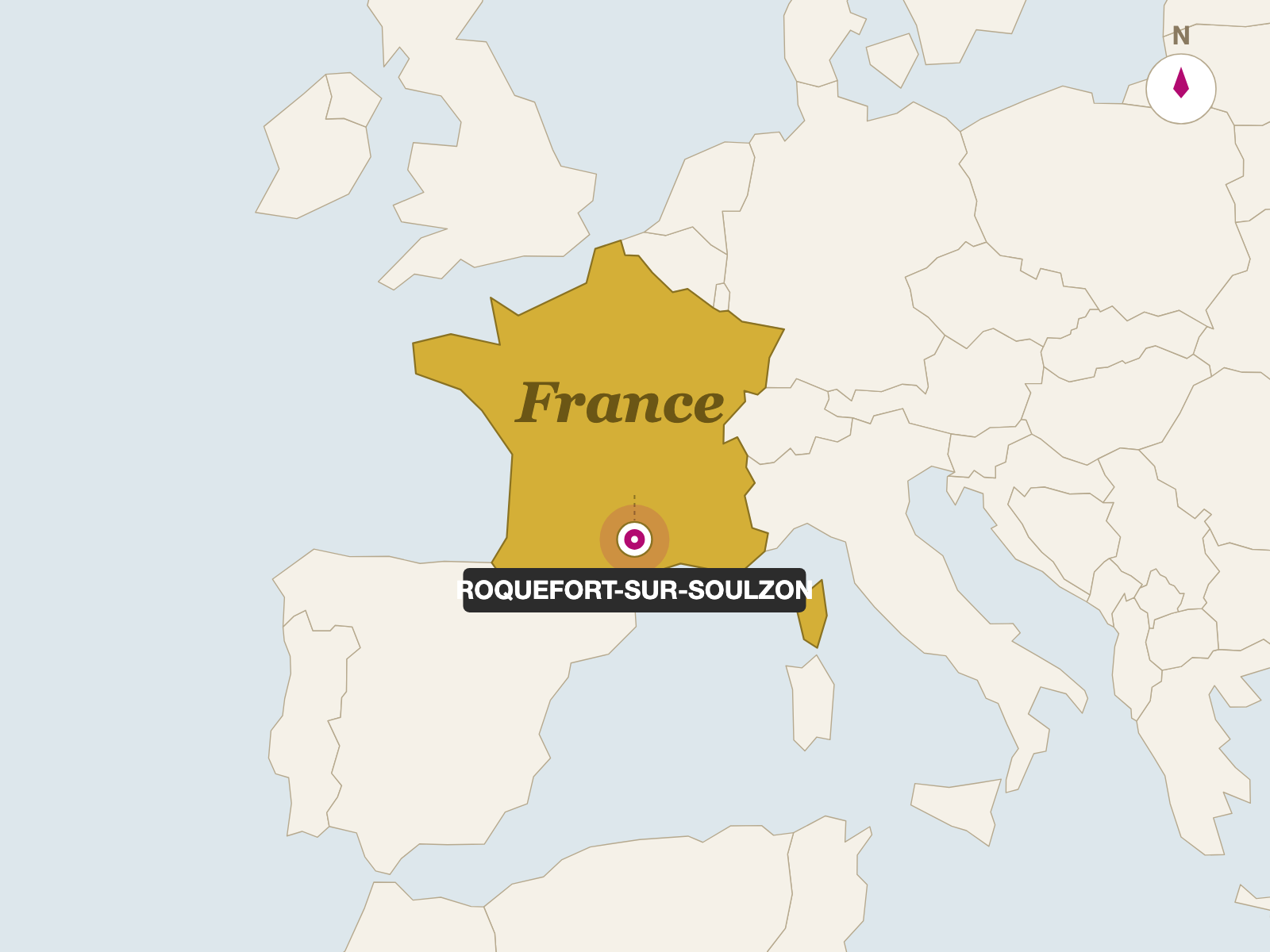
From Roquefort-sur-Soulzon, France

Roquefort Gabriel Coulet origin map
GC
Meet the Maker

Gabriel Coulet

Family · Founded 1872, family-owned in Roquefort-sur-Soulzon · Roquefort-sur-Soulzon, Roquefort-sur-Soulzon, Aveyron, France · Est. 1872

“A small, still-family-run Roquefort house aging exclusively in their own natural fleurine caves beneath Mont Combalou, using house-cultivated Penicillium roqueforti grown on rye bread.”

Gabriel Coulet works out of Roquefort-sur-Soulzon, the tiny Aveyron village in the south of France where Roquefort has been made since at least the Middle Ages. The house was founded in 1872 by Guillaume Coulet, who reportedly discovered a natural fleurine — one of the cool, humid fissures running through Mont Combalou — while digging out a cellar beneath his home. That fleurine became the heart of the operation, and the family has been aging sheep's milk blues in the same network of caves ever since.

The milk comes exclusively from Lacaune sheep grazed on the Causses plateaus, as required by Roquefort's PDO. Wheels are made with raw milk, inoculated with Penicillium roqueforti the family cultivates in-house on rye bread, then needled to let the mold breathe through the paste. From there the wheels go down into the Combalou caves, where the fleurines keep the air at a steady cool, damp temperature year-round — no mechanical refrigeration, just the mountain doing the work. Coulet ages their Roquefort a minimum of 120 days, a full month longer than the PDO floor of 90, which is where that signature unctuous, almost spoonable texture comes from. The house is still family-run, one of the smaller producers on the rock and stubbornly independent in a category dominated by a handful of industrial names.

What they're known for is balance — sweet cream from the Lacaune milk, a peppery snap from the blue, and a finish that doesn't punch you the way bigger-brand Roqueforts can. Dom calls Gabriel Coulet one of his favorite producers, and he's not wrong. Pair it with Sauternes and you're right in the sweet spot.
The Signature

Raw Lacaune sheep's milk wheels aged a minimum of 120 days in the family's natural Combalou caves — a full month beyond the PDO requirement.

Ready when you are

Bring it home.

Hand-cut to order the day it ships. Packed cold for overnight delivery.

Taste it for yourself →

Cold-ship 2-day overnight nationwide